“coffee tree picking” search results (3000)

The study of fine coffee teaches you to plant coffee trees correctly.
One of the characteristics of a coffee tree is that its fruit can bear fruit several times a year, and another is that flowers and fruits coexist at different stages of ripening. If the fruit is too ripe, the beans in it will rot. If the beans are not ripe, the beans will not ripen by themselves. So bean pickers often go through the same tree several times to find ripe fruit, but try their best.
2014-10-16 Coffee knowledge boutique coffee science coffee tree planting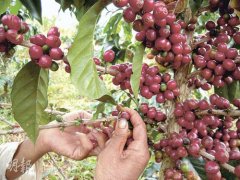
The process of picking coffee beans in Laos records how to pick coffee beans?
Bolaven Cafe comes with clear Americano for breakfast. When picking Arabica beans, use hands to twist them one grain at a time. Pick only ripe fruits in bright red, not green (immature) or dark brown (rotten). The transparent flesh tastes sweet, and coffee beans are wrapped in hard shells in the middle. Generally speaking, coffee trees will bear beans after two or three years of growth and can be picked in four years.
2015-09-14 Laos picking coffee beans process recording how
Introduction of Manor in Coffee producing area of Nicaragua introduction of Tianyi Manor in Matagalpa
Matagalpa is the coffee producing area that produces the highest quality coffee in Nicaragua, and there is a lemon tree (El Limoncillo) in a heavyweight coffee estate worth introducing. The manor is located in the plateau of Matagalpa between 950m and 1300m above sea level, and there are towering coniferous forests around the coffee trees, providing shade for the growth of coffee trees. This allows coffee trees to get sunlight.
2016-07-06 Nicaragua coffee producing area manor introduction boutique coffee beans Mataga Erpa
Coffee training knowledge about Coffee picking
Coffee trees usually blossom in 3-4 years, about 2-3 months a year, and their appearance and smell are similar to those of jasmine. when they bloom, they grow in clusters on the branches and bloom for 3-5 days. After the flowers bloom, they bear small green fruits, which ripen and turn red into ripe fruits that can be picked after a few months. The skin of ripe fruit is red. Because its shape and color are similar to cherries, ripe coffee fruit is called coffee cherry in many places.
2014-10-09 Coffee knowledge coffee picking coffee tree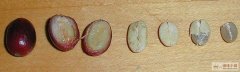
The growing period of picking coffee beans.
After 3 or 4 years of growth, the coffee tree matures and begins to bear fruit, and the fruit will be arranged in clusters or clustered together along the branches. The coffee beans we see are the seeds of the coffee tree. The outside of the seed is a layer of pericarp, with the maturity of coffee beans, the pericarp will change from green to red, as soon as it turns red, it can be harvested. The structure of coffee fruit is that there is a layer of pulp (mesocarp) under the exocarp.
2015-01-22 Coffee beans picking growing period after years growing coffee maturing blooming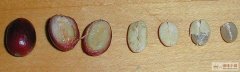
Basic knowledge of Coffee picking of raw coffee beans
After 3 or 4 years of growth, the coffee tree matures and begins to bear fruit, and the fruit will be arranged in clusters or clustered together along the branches. The coffee beans we see are the seeds of the coffee tree. The outside of the seed is a layer of pericarp, with the maturity of coffee beans, the pericarp will change from green to red, as soon as it turns red, it can be harvested. The structure of coffee fruit is that there is a layer of pulp (mesocarp) under the exocarp.
2014-11-04 Coffee knowledge coffee basics coffee common sense raw coffee beans picking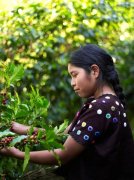
Nicaragua with lemon tree estate premium coffee
Nicaragua is an economically backward agricultural country and one of the poorest countries in Central America. The unemployment rate is very high and the people live in poverty. Coffee is the pillar industry of Nicaragua, producing nearly 100,000 tons of coffee beans every year. Because of the poor economic base, the coffee industry is still relatively backward, and coffee farmers are also in a relatively poor state. Although Nicaragua is a Central American country with a large territory
2016-05-31 Nicaragua lemon tree estate quality coffee one economy after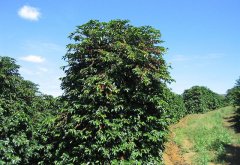
From coffee tree to coffee
Coffee is a perennial evergreen shrub or small tree of Rubiaceae. It is a horticultural perennial cash crop with the characteristics of fast growth, high yield, high value and wide market. Wild coffee trees can grow to a height of 5 to 10 meters, but coffee trees planted on the manor are often cut to less than 2 meters in order to increase their fruit and facilitate harvesting.
2014-07-22 Coffee knowledge coffee tree coffee process coffee encyclopedia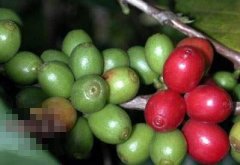
Coffee picking
Good quality coffee is handpicked one by one to maintain the perfect coffee taste.
2014-05-14 coffee knowledge coffee tree picking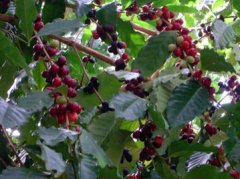
Basic knowledge of Coffee Coffee Tree Classification and growth picking period
Coffee tree belongs to the evergreen tree of Rubiaceae. Since ancient times, most of the plants of Rubiaceae are plants with special effects, such as quinine tree, which is regarded as a specific drug for malaria, and Dugan, which is used to treat amoeba dysentery. Coffee is defined as the most unique alkaloid drinking flora. The fruit of coffee consists of outer skin, pulp, endocarp, silver skin, and seeds (coffee beans) wrapped in the innermost layers mentioned above.
2015-03-11 Coffee basic knowledge classification growth picking coffee tree genus grass family evergreen Joe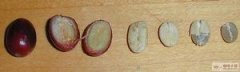
What are the steps and harvest time for picking coffee beans
After 3 or 4 years of growth, the coffee tree matures and begins to bear fruit, and the fruit will be arranged in clusters or clustered together along the branches. The coffee beans we see are the seeds of the coffee tree. The outside of the seed is a layer of pericarp, with the maturity of coffee beans, the pericarp will change from green to red, as soon as it turns red, it can be harvested. The structure of coffee fruit is usually a layer of pulp (mesocarp) under the exocarp.
2016-05-25 Picking coffee beans which steps harvest time after years growth coffee day
Processing Technology of Brazilian Coffee Raw beans Coffee Tree Fine Coffee
The Brazilian coffee industry follows the principle of picking first and screening later, but in other Latin American countries, people only pick fully ripe fruit, and if it is not mature enough, growers will leave the fruit on the tree. Why is there such a big difference between the two methods? The reason lies in the picking and treatment of raw beans. First of all, except for Brazil, the scale is larger.
2016-06-16 Brazil coffee raw beans processing craft coffee beans boutique
Brief introduction to the planting of Coffee trees
One of the characteristics of a coffee tree is that its fruit can bear fruit several times a year, and another is that flowers and fruits coexist at different stages of ripening.
2014-07-17 Coffee knowledge coffee cultivation coffee encyclopedia
Introduction of the whole process from coffee tree to fruiting
One of the characteristics of a coffee tree is that its fruit can bear fruit several times a year, and another is that flowers and fruits (also known as cherries) coexist at different stages of ripening. The whole coffee harvest is swayed by the vagaries of nature. If the fruit is too ripe, the beans in it will rot. If it is not ripe enough, the beans picked will not ripen by themselves. So bean pickers have to go through
2016-06-13 Coffee fruit whole process introduction coffee characteristics first its fruit.
Nicaragua Coffee Manor Lemon Tree Manor introduction to Nicaraguan Coffee producing areas
Nicaragua is an economically backward agricultural country, is one of the poorest countries in Central America, the unemployment rate is very high, people live in poverty, and coffee is Nicaragua's pillar industry, producing nearly 100,000 tons of coffee beans every year. Due to the poor economic foundation, the coffee industry is still relatively backward, and coffee farmers are also in a relatively poor state. Although Nicaragua is a large part of Central America,
2016-07-20 Nicaragua coffee manor lemon tree introduction producing area one classics
The unique and strong flavor of Costa Rican Tarazhu Coffee describes the degree of abrasion and the manor in the producing area.
The coffee trees planted in Costa Rica are all Arabica coffee trees. through improvement, the quality of coffee beans is better and more stable. in order to facilitate picking, coffee trees are kept at a height of about 2 meters through continuous pruning. The coffee that people eat is the taste of the seeds in the fruit that are brewed in water. After picking raw coffee beans, the peel, pulp, seed film and sun exposure must be removed.
2016-10-08 Aroma unique strong Costa Rica Tara coffee flavor description grinding
Coffee beans Coffee picking
Coffee trees generally bloom in 3 to 4 years, about 2 to 3 months each year, similar in appearance and smell to jasmine flowers, closely clustered on branches when flowering, flowering 3 to 5 days. After flowering, they bear small green fruit, a few months later mature into red can be picked ripe fruit. Ripe fruit skin red, due to shape and color similar to cherry, many places called ripe coffee fruit coffee cherry
2014-09-29 Coffee beans coffee picking
Coffee Manor in Nicaragua introduces Lemon Manor Fine Coffee beans
Although Nicaragua is a country with a large territory in Central America, it is not a big producer in the coffee world, and its output and reputation are much weaker than that of its neighbor Costa Rica. But the high-quality Nicaraguan coffee is in the forefront of coffee beans in the world and enjoys a good reputation. Traditional Nicaraguan coffee farmers are used to the subsequent processing of coffee fruits by washing.
2016-07-12 Nicaragua Coffee Manor producing area introduction Lemon Tree Fine goods Coffee beans Niga
Introduction to the characteristics of coffee flavor and taste in lemon tree manor in Nicaragua
The suitable climate provides an excellent growth environment for the cultivation of coffee. The mineral-rich pozzolanic soil provides abundant nutrients for the cultivation of coffee trees. High-quality Nicaraguan coffee is also grown in the northern and central highlands of the country. The best coffee is produced in Matagalpa (Matagalpa), which is highly respected by coffee lovers all over the world.
2016-09-09 Nicaragua lemon tree manor coffee flavor taste producing area characteristics boutique
The cultivation process of Coffee
The way of harvesting coffee varies from place to place, which is mainly divided into hand picking method and shaking method. Of course, it is ideal to pick the ripe red fruit carefully with your hands, and in fact, the issue of efficiency must also be considered.
2014-07-04 Coffee knowledge coffee cultivation process coffee encyclopedia